Ants show up in kitchens for one reason: dependable food and water. A few scouts find a steady source, lay down a trail, and within hours you have a marching line across the countertop. The difference between a quick fix and a lasting solution comes down to reading the situation correctly. That means understanding the species, the time of year, what they are feeding on, and how your kitchen layout helps or hinders them. Once you understand those pieces, the control strategy almost writes itself.
Kitchens are perfect ant habitat, like it or not
Modern kitchens make ideal foraging grounds. Appliances vent warm air, cabinetry hides tiny gaps, and plumbing creates a persistent band of condensation behind dishwashers and sinks. A refrigerator drip pan can hold a teaspoon of sugary condensate, which is plenty to support a satellite nest of odorous house ants. I have opened toe kicks and found a wad of damp cardboard that turned out to be one long ant buffet. The home looked spotless from the front, yet the colony had everything it needed behind the scenes.
The frustration often comes from the mismatch between what people try first and what ants actually respond to. Spraying a visible trail with a hardware store aerosol might reduce the line today, but it also scatters the workers and can encourage budding in species like Argentine ants. You end up with two trails next week, not one. You do better when you treat the trail as a road to and from a colony, then use that road to deliver something useful back to the nest.
Species matter more than product labels
Different ants respond to different foods and tactics. Odorous house ants favor sweets much of the year, then switch to protein during brood rearing. Pavement ants like grease. Pharaoh ants bud aggressively if you use repellent sprays, so baits are the only sane approach indoors. Carpenter ants in kitchens are often foraging from a nest in damp wood nearby. If you do not address the moisture source, you can lay out perfect bait and still get recurring activity.
You do not need to become a full taxonomist to get results, but a quick glance at size, smell, and behavior helps. Odorous house ants crush with a coconut odor. Pavement ants are smaller, with distinct head grooves, and will battle rival colonies at borders. Carpenter ants are the biggest visitors you will see in a kitchen, sometimes foraging alone at night. If you see winged ants in spring, it is a sign of a mature colony and sometimes a satellite nest indoors. You can learn to tell ant swarmers from termites by the waist and wings, and if you are unsure, a local pro can confirm. This is not just academic. Using the wrong bait matrix, or putting a repellent in the wrong place, can triple your timeline.
How Domination Extermination diagnoses a kitchen ant problem
When Domination Extermination gets called for persistent kitchen trails, the first visit focuses on behavior, not products. We watch foragers for ten to fifteen minutes to see where they enter and what they pick up. A cotton swab dipped in a sugar solution and another in a light protein paste can tell you their preference that day. We check under sink basins, along cabinet cleats, inside the dishwasher bay, and behind the fridge grille. Infrared temp readings sometimes reveal warm motor voids that double as nest harborage.
One home had repeat ants along the backsplash every May. Cleaning helped for a week, then the trails returned. The issue turned out to be a hairline gap where the countertop met the wall. Ants were using the dark void to travel three feet, undisturbed, from a window trim cavity to the coffee station. We sealed the seam while applying a slow-acting bait nearby, then dusted the wall void through a micro hole. The ants disappeared within five days and did not recur the following season. The product list mattered, but the fix hinged on seeing the hidden highway.
Why spray rarely solves kitchen ants
Contact sprays are satisfying. You hit a line and the ants fall. The problem is you killed workers, not the colony. Workers are expendable. Queens and brood are not. Kitchen sprays, especially repellent formulations, also contaminate surfaces near your food. That is not alignment with safe pest control. A better approach inside a kitchen is to let the ants do the carrying for you. Slow-acting baits give them time to share with nestmates, which creates a population collapse from the inside.
There are exceptions. If you have a heavy influx line coming from outside under a door sweep, a non repellent microencapsulated spray on the threshold can reduce entry quickly. But once ants are actively feeding indoors, baits outperform sprays most of the time. Use sprays as a perimeter tool, not as a trail chaser on a countertop.
Baits that earn their keep
Not all baits are equal, and not all ants want the same thing every day. A well stocked kit includes a sugary gel, a protein or grease bait, and sometimes a liquid sugar bait with a refillable station. Choosing active ingredients matters too. Borate baits work slowly, which is an advantage if you want deep transfer. Indoxacarb and abamectin gels perform well for protein phases. Fipronil is effective, but you do not need to reach for the strongest option in a kitchen if placement and sanitation are right.
Placement trumps quantity. Put a pea sized bait dot directly on the foraging path, near a corner or along a baseboard where ants can feed without getting stepped on. Use waxed paper or a bait station in high spill zones. Do not smear bait on top of a repellent residue. Clean with mild soap and water, wait for the trail to re establish, then place bait. Let the party run for at least 24 hours before you clean up surrounding trails. If the bait dries out, replace it. If interest drops, switch food types. That pivot, from sweet to protein or back again, saves more callbacks than any single trick.
Sanitation that is realistic, not perfectionist
No one keeps a kitchen photo shoot perfect between breakfast and dinner. Realistic sanitation focuses on what matters to ants, not every crumb. The big four are water, fats, sugar film, and hidden debris in machine cavities. Wipe the inside lip of the dishwasher door where condensation and food residues collect. Clear the refrigerator drip pan and vacuum the dust mat around the condenser. Empty the toaster crumb tray. Bag pet food and rinse bowls at night. These small, targeted tasks reduce the draw without turning your life inside out.
Also mind your disposal flange. A worn gasket can catch food particles and stay damp, which becomes a tiny cafeteria for ants. Citrus peels run through the disposal are fine for smell, but a brush cleaning under the flange does more. When you stack recycling, rinse sticky containers that once held syrup, soda, or beer. A week old root beer bottle is an ant magnet, even with the cap on.
Sealing and simple carpentry pay off
You do not need to caulk every gap in a house. You do want to break the ant superhighways that make kitchen foraging easy. That might be a quarter inch hole where a water line enters the base cabinet, or a gap under a door trim that meets a slab. Silicone is fine for wet areas. Good paintable latex caulk works along trim. For larger gaps, a copper mesh and foam combo creates a chew resistant filler that still moves a bit with the house. Screening weep holes and adding door sweeps help more than most gadgets. Think like water. Anywhere that water finds a path, ants do too.
I have seen ants use the cable opening behind a wall mounted TV as a stepping stone to cross a kitchen without ever touching the floor. A brushed pass through grommet and a dab of sealant stopped that detour completely. The work took ten minutes and removed the most direct indoor route.
Moisture, heat, and why appliances matter
Ants are drawn to microclimates. A dishwasher leak that only dampens insulation every third cycle still builds a perfect nest cavity. The warm, dry back of a fridge, especially if the coil is caked with dust, invites both ants and other insects. Pull major appliances twice a year. If you see rust tracks, drip marks, or ant frass, address the leak first, then the ants. In older homes with radiant baseboard heat, check the hollow where copper lines enter the cabinet toe kicks. That space warms in winter and serves as a winter highway.
If you find carpenter ants trailing through a kitchen at night, slow down and look up. An ice dam from last winter, a slow flashing leak around a vent stack, or a soft window stool can be the real issue. Carpenter ants do not eat wood, but they remove it to expand galleries. That is closer to termite control thinking than simple ant foraging. Solve the moisture and you cut the colony’s incentive to stay.
A stepwise kitchen ant plan that holds up
Here is a concise sequence used on real jobs. Each step builds on the last.
- Identify the species, or at least the behavior. Note whether they take sugar or protein right now. Remove the obvious draw. Wipe sugar films, empty drip pans, brush the disposal flange, and dry sink basins overnight. Place the right bait on active trails, in small measured amounts. Refresh as needed and pivot food type if interest fades. Seal the big routes into the kitchen, especially utility penetrations and counter to wall seams. Install a door sweep if a trail runs under the exterior door. Treat exterior entry points with a non repellent perimeter where appropriate, focusing on ant runways like foundation cracks and fence lines that touch the house.
Follow that rhythm and you keep control. Skip the species and you chase your tail. Skip sanitation and you feed the enemy. Skip sealing and the highway stays open.
When infestations persist
If you have followed through for a week and still see heavy traffic, consider satellite nests or bait aversion. In multi family buildings, Argentine ants may be using wall voids that run floor to floor. There, gel baits inside outlet covers and a liquid bait station in a safe, labeled cabinet can finally reach the colony. In some kitchens, persistent pharaoh ant issues require rotating bait active ingredients every few weeks to avoid learned aversion. If pets complicate placement, use secured stations that mount under sink cabinets or behind toe kicks with adhesive.
I once worked a bakery kitchen that looked immaculate by any standard. The issue was a crack behind a floor drain where sugar water from proofing dripped twice a day. We mapped the foragers across the ceiling tiles to the drain cavity, then set protein bait in the ceiling and a borate liquid bait near the drain, hidden in a locking station. The ants vanished after day three, and traffic did not return during the remaining warm months. The fix relied on thinking three dimensionally. Kitchens are not just floors and counters. They are ceilings, voids, and mechanical chases.
What Domination Extermination uses for long term prevention
Domination Extermination focuses on three levers after an infestation is quiet: structural breaks, seasonal monitoring, and exterior pressure. Structural breaks are simple, repeatable touches like resealing the counter to backsplash line and refreshing the door sweep before it fails. Seasonal monitoring means checking typical hot spots twice a year, spring and late summer, and placing a couple of discreet bait stations as sentinels in safe spots. Exterior pressure is the most overlooked. If vegetation touches siding, it becomes a tree to house bridge. Trimming shrubs back 12 inches, moving firewood off the wall, and keeping mulch below the siding line reduces ant highways.
We also use moisture meters during spring inspections. If a base cabinet consistently reads higher than adjacent walls, we ask clients to have the plumbing checked. A slow drip that is invisible to the eye still fuels ants, roaches, and silverfish. Pest control without that basic building science is half a job.
Food safety and family safety in the kitchen
A kitchen is not a garage. Think about where you place anything with an active ingredient. Keep bait away from food prep zones and store it where kids and pets cannot find it. Clean the placement area before you set bait, and if any bait touches the counter surface, wipe and re sanitize. Gel baits belong on baseboards, inside cabinet corners, and along hidden trails, not in the center of a cutting board.
For those who prefer lower toxicity ingredients, borates in a liquid bait station offer a good balance. They work slowly, which allows transfer. They are still poisons and deserve careful handling, but the exposure profile is more forgiving when placements are thoughtful. If you are concerned about residues, choose baits over sprays indoors and keep any necessary liquid applications outdoors on foundations and entry points.
What to do about ants you bring home
Grocery bags, delivered packages, and potted herbs can bring ants into kitchens even when your structure is tight. Shake out reusable bags now and then. Check potted plants, especially rosemary and basil, for ant activity in the soil. Ants tend aphids and mealybugs on plants, harvesting honeydew that draws them indoors. If you see that pairing, deal with the plant pests and the ants usually vanish. Sticky traps near plant shelves give you an early warning without chemicals.
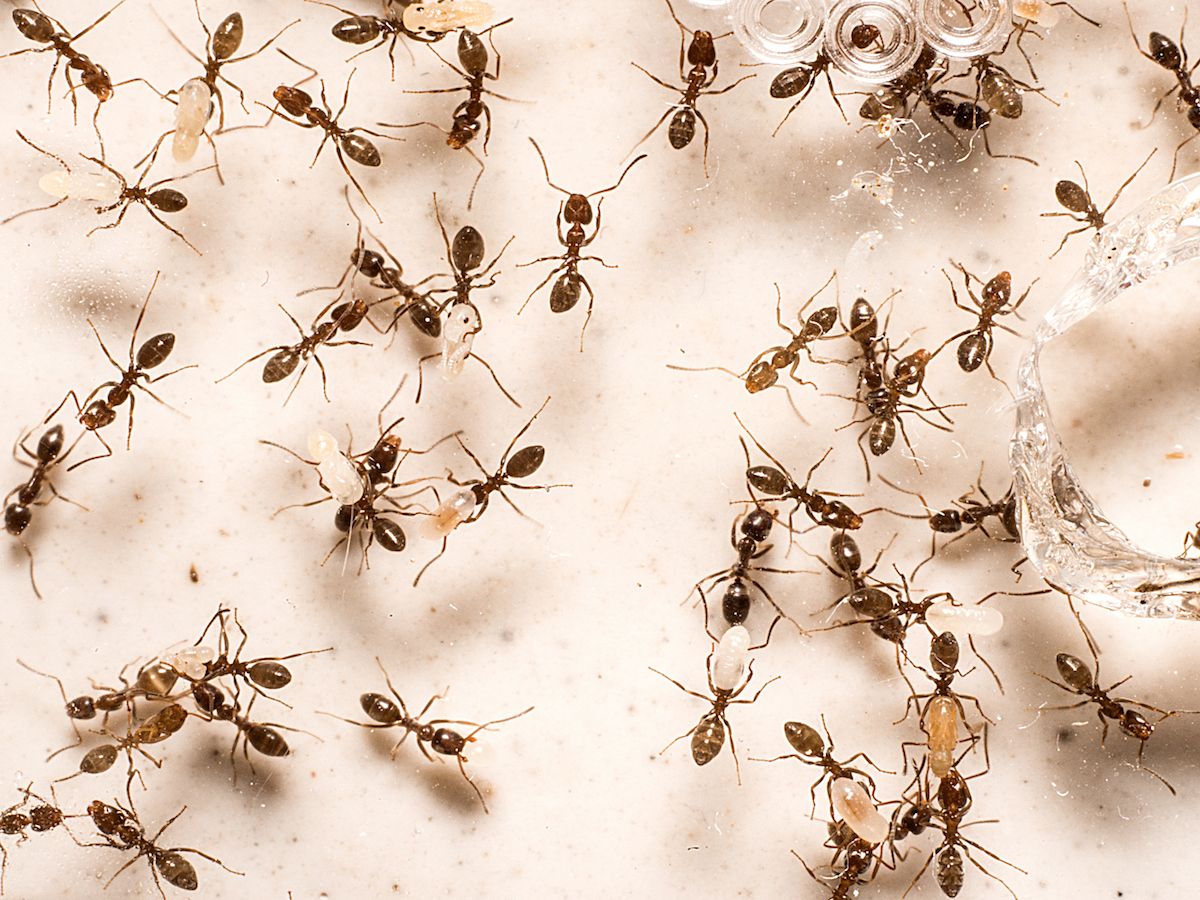
Packages sometimes carry a few scouts. That is not a big deal unless you have a sweet spill nearby. Open deliveries on a clear counter, recycle boxes quickly, and wipe up any syrup films left from bottled goods. Simple habits go a long way.
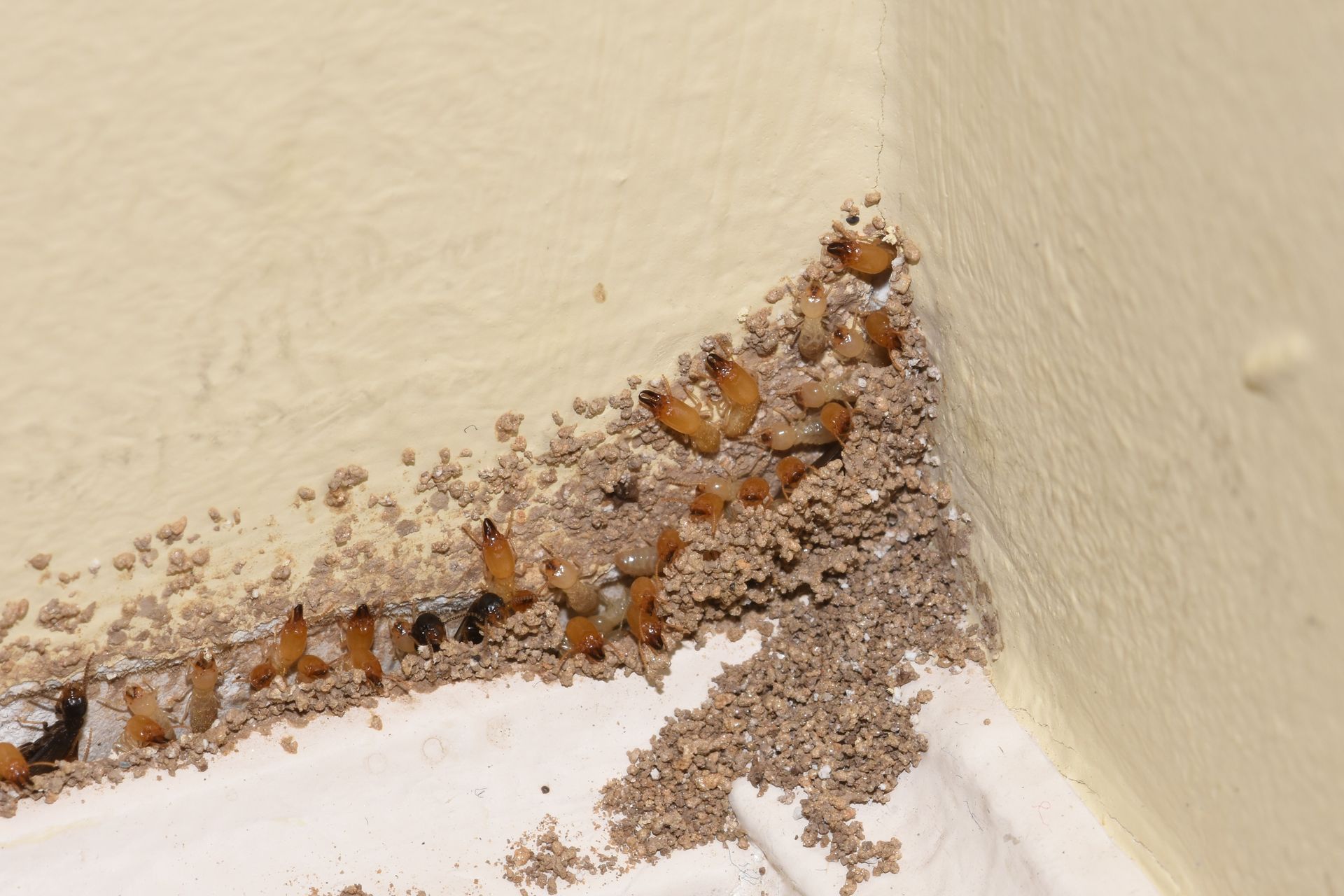
When ants point to other pest pressures
Ants can be a symptom. A mouse that tears dog food bags, a cricket population thriving in a damp crawlspace, or fruit flies in a forgotten drain all create food chains that attract ants. If your kitchen ant battle comes with droppings that do not look like frass, gnaw marks, or late night ceiling chirps, broaden your lens. Rodent control and cricket control are not separate from ant control when the kitchen is the prize. The drain fly buzzing near the sink is not harmless, and spider control around outdoor lights can reduce secondary insect food for ants along the siding. A full service provider should weave these threads together, not treat them as upsells.
The same goes for seasonal services. In warm months, mosquito control along the yard edges reduces not just bites but also the density of small insects that die near foundations and become ant forage. If your property has flowering shrubs, consider how bee and wasp control intersects with ant pressure. Carpenter bees drill fascia and create frass piles that draw ants. Thoughtful carpenter bees control, including wood repair and paint, removes both bee and ant cues. Bed bug control and termite control may feel unrelated to kitchen ants, yet the building inspection mindset they require teaches you to look for seams, voids, and moisture, which are the same conditions ants exploit.
Common mistakes that keep ants coming back
Two patterns make ant jobs drag on. The first is over cleaning the trail immediately after placing bait. Give ants time to feed and share. Wiping the line to zero right away breaks the highway before they carry enough home. The second is using a product ladder instead of a strategy. People move from gel to granule to spray in a few days, layering residues that repel ants and contaminate food zones, without ever fixing the leak or sealing the entry.
Another trap is assuming all ants want sugar. Pavement ants in a summer kitchen often take fats more readily. A pea size dot of protein gel near a stove base outperforms a lake of sugar bait on the windowsill. If bait sits untouched for hours on a busy trail, change the matrix, not the brand.
A simple homeowner checklist for staying ahead
- Twice a year, pull the fridge and dishwasher, vacuum and clean drip pans, and inspect for damp insulation or rust tracks. Reseal counter to backsplash seams and utility penetrations in sink cabinets. Refresh door sweeps before winter and summer. Keep a sugar and a protein bait on hand. Test a tiny sample on day one to see what ants want before you deploy stations. Rinse sticky recyclables and empty pet bowls overnight. Brush the garbage disposal flange monthly. Trim vegetation back from siding and keep mulch below the sill line to reduce exterior highways.
These five habits prevent most kitchen invasions or make any that do appear far easier to shut down.
When a professional makes the difference
There is a point where a kitchen ant problem is no longer an isolated trail. If you see multiple entry points across rooms, frequent winged ants indoors, or recurring activity despite diligent baiting and sealing, you are likely dealing with a broad network that touches wall voids, slab cracks, and outside nests tied to landscaping. A pro can follow those threads, rotate baits intelligently, and apply non repellents in places the public cannot reach safely.
In those jobs, Domination Extermination often integrates a structural inspection with targeted treatments. We have pulled a stove to find a warm void filled with foam insulation that stayed damp after every boil over, then used a tiny injection of dust in the wall cavity while switching to a protein bait on the counter face. We have found that a seemingly clean kitchen sits over a crawl vent where spiders thrive, crickets chirp, and ants harvest both. Solving the moisture and sealing the vent reduces ants without escalating chemistry indoors.
The payoff of doing it right
The reward for a careful approach is not just a quiet counter. It is fewer chemicals in food zones, less time cleaning trails, and a structure that is less attractive to multiple pests. Kitchens will always attract scouts. Food and water live there. But when trails cannot find a payoff, when baits deliver a slow knockout instead of a quick slap, and when simple carpentry breaks the easy routes, ants stop investing their workforce in your home.
Real control is not a hero product. It is a set of quiet decisions made in the right order. Identify the species, clean where it matters, use the right bait, seal the easy paths, and set the exterior in your favor. Repeat as the seasons change. Whether you handle it yourself or bring in a partner like Domination Extermination for the tricky parts, that is the rhythm that keeps kitchens free of marching bed bug control lines and surprise wake up calls on the countertop.
Domination Extermination
10 Westwood Dr, Mantua Township, NJ 08051
(856) 633-0304